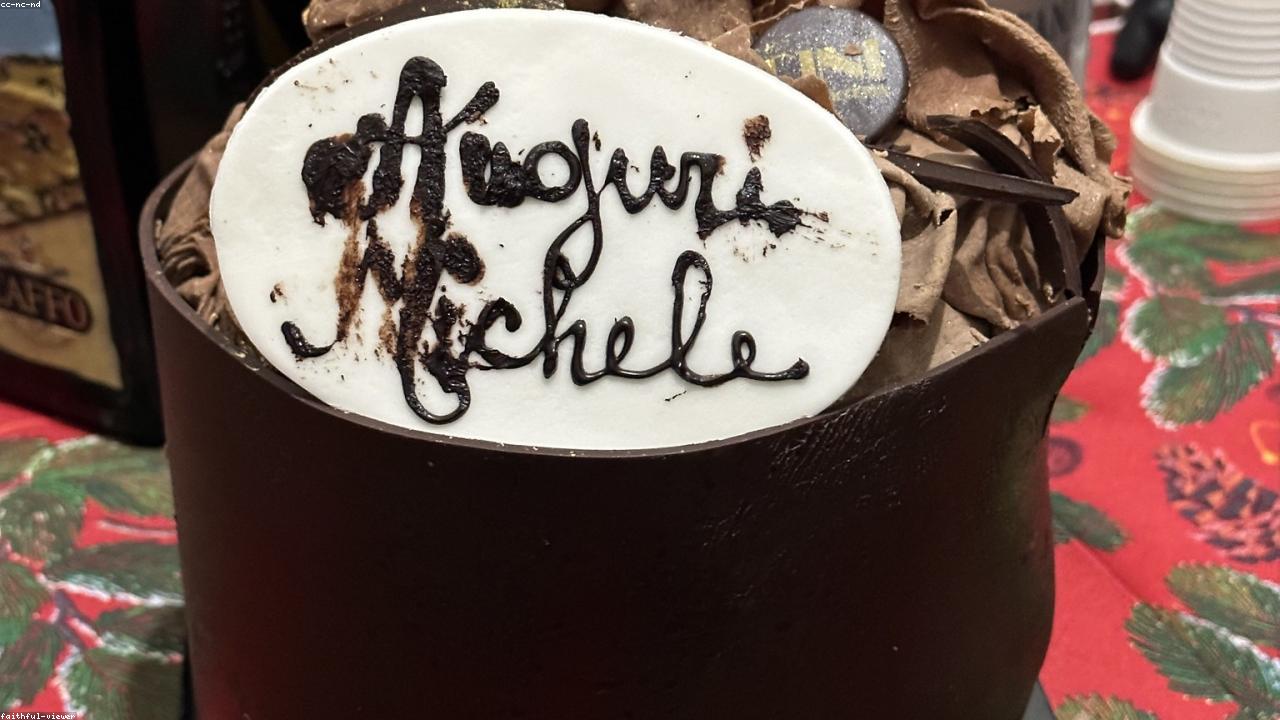
The Sachertorte — often simply called the sacher cake — is the grand dame of Viennese pastry: a dense, dark chocolate sponge bound with apricot jam and sealed under a smooth, almost lacquer-like chocolate glaze. It is deliberately restrained. There is no cream inside, no fruit garnish, no flourish; the drama is all in the balance of bitter chocolate against the sharp sweetness of apricot.
It is also one of the few cakes to have been fought over in court. A decades-long legal battle between two Viennese institutions turned a recipe into a trademark, and a slice of chocolate cake into a symbol of the city itself.
A sixteen-year-old's improvisation
The cake is credited to Franz Sacher, who created it in 1832 while still a teenage apprentice — just sixteen years old. As the story goes, the prominent Austrian statesman Prince Klemens von Metternich requested a special dessert for distinguished guests, and with the head chef indisposed, the task fell to young Sacher. His improvised chocolate cake was a success, though it drew little wider fame at the time.
It was Franz's son, Eduard Sacher, who refined and popularised the recipe a generation later while training at the renowned Viennese confectioner Demel, and then at the family's own Hotel Sacher, founded in 1876. That split — between Demel, where Eduard learned, and the Hotel Sacher, which the family built — would later become the heart of a famous quarrel.
The chocolate sponge
The base of a Sachertorte is a dense, fairly dry chocolate sponge — quite different from a light, airy genoise. It is typically made by creaming butter with sugar and melted dark chocolate, then folding in egg yolks, whipped egg whites for lift, and flour. The whipped whites keep it from becoming heavy, but the generous chocolate and butter give it a firm, close crumb that holds up to glazing and slicing.
That relative dryness is intentional, and it explains the cake's traditional accompaniment (below). It also means a good Sachertorte should never taste like a fudgy modern chocolate cake — it is more structured, more grown-up, built to be eaten in thin slices with coffee. See our pastry fundamentals for how sponge and glaze techniques work.
Apricot jam and the dark glaze
Two elements define the Sachertorte beyond its sponge. The first is apricot jam (Marillenmarmelade), and crucially it appears twice: a layer is sandwiched through the middle of the cake, and a second thin coat is brushed over the entire outside before glazing. That outer coat does double duty — it adds a bright, tart contrast and gives the glaze a smooth surface to grip.
The second is the glaze itself: a poured coating of dark chocolate and sugar, cooked to a specific point so it sets to a firm, matte-glossy shell rather than a soft ganache. Applied warm and left to harden, it produces the cake's characteristic clean, mirror-like finish. The combination — bitter chocolate shell, sweet-sharp apricot, sturdy sponge — is the whole identity of the cake.
Served with Schlagobers
A slice of Sachertorte is almost never served alone. The classic Viennese presentation includes a generous spoonful of Schlagobers — softly whipped, unsweetened cream — on the side. This is not mere garnish: because the sponge is intentionally dense and the glaze quite firm, the cool, plain cream loosens each bite and keeps the dessert from feeling heavy.
The pairing is so established that to order Sachertorte in a Viennese coffee house is to expect the cream automatically, typically alongside a strong black coffee. It is a reminder that the cake belongs to the city's coffee-house culture as much as to any single bakery.
The Sachertorte dispute
The cake's fame is inseparable from the Sachertorte dispute, a legal battle that ran for years in the mid-twentieth century between the Hotel Sacher and the confectioner Demel. Both claimed the right to the "genuine" Sacher cake, and the courts were asked to decide who could call their version the original.
The technical heart of the fight was a detail of construction:
- The Hotel Sacher version places a layer of apricot jam through the middle of the cake (in addition to the coat under the glaze).
- Demel's version puts the jam only under the top glaze, with no middle layer.
After lengthy proceedings, the Hotel Sacher won the right to call its cake the "Original Sacher-Torte", and to this day each genuine cake from the hotel is finished with a round chocolate seal bearing that name. Demel, meanwhile, sells its own historic version under a slightly different description. Two cakes, one name, and a rivalry that only deepened the legend.
Frequently asked questions
Who invented the Sachertorte?add
Franz Sacher created the cake in 1832 at the age of sixteen, while standing in for an indisposed head chef, reportedly to please the Austrian statesman Prince Metternich. His son Eduard Sacher later refined and popularised the recipe.
What is the Sachertorte dispute?add
It was a long legal battle between the Hotel Sacher and the confectioner Demel over who could sell the "original" Sachertorte. The two differ mainly in whether apricot jam is layered through the middle of the cake. The Hotel Sacher won the right to the name "Original Sacher-Torte."
Why is there apricot jam in a Sachertorte?add
Apricot jam provides a sharp, fruity counterpoint to the dense chocolate. In the Hotel Sacher version it appears twice — as a layer through the middle and as a thin coat over the whole cake before glazing, which also helps the chocolate glaze adhere smoothly.
Why is Sachertorte served with whipped cream?add
The sponge is deliberately dense and fairly dry, and the glaze is firm, so a spoonful of unsweetened whipped cream (Schlagobers) lightens each bite. It is the traditional Viennese way to serve the cake, usually with a strong coffee.