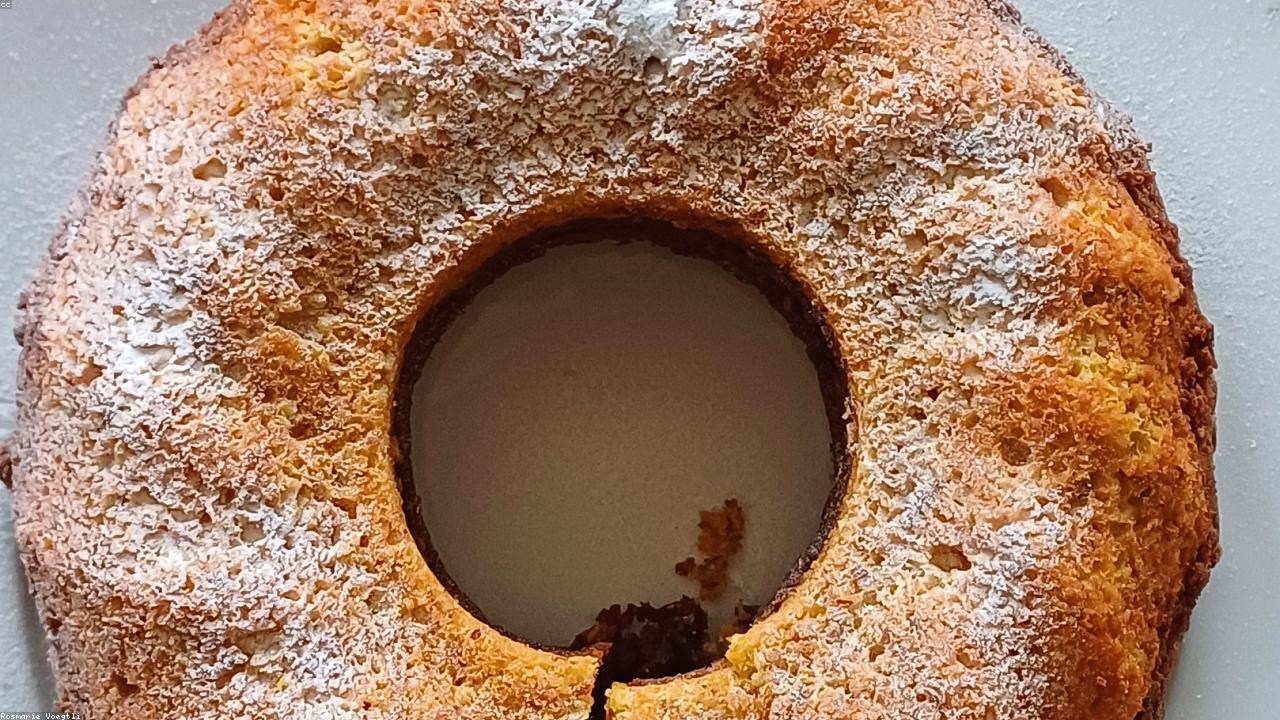
German cakes are generous, seasonal and built for sharing. Where French pastry prizes the immaculate individual creation, German baking favours the large round Torte or Kuchen cut into hearty slices and set in the middle of a table. It is comfort, family and ceremony rather than display.
At the centre of it all is one weekly institution — the afternoon coffee-and-cake hour — and one specialist craft, the Konditorei. This guide walks through both, then links out to the deep-dive on Germany's most celebrated cake.
The Konditorei: cake as a craft
German baking is split between two trades. The Bäckerei handles bread and rolls — and Germany's bread culture is itself UNESCO-recognised, with hundreds of registered varieties. The Konditorei, by contrast, is the domain of the Konditor, a confectioner-pastry chef whose training covers tortes, fine pastries, marzipan and chocolate work.
Many Konditoreien double as cafés (Café-Konditorei), where the day's cakes sit under glass and are eaten on the spot with coffee. The slices are larger than a French pâtisserie would dare, and the emphasis is on cream, fruit and a satisfying, unfussy generosity.
Germany's signature cake
One German cake is famous the world over and has its own full deep-dive:
- Black Forest gâteau (Schwarzwälder Kirschtorte) — layers of chocolate sponge soaked in cherry kirsch, stacked with morello cherries and clouds of whipped cream, finished with chocolate shavings and cherries on top. By German law a genuine version must contain real Kirschwasser.
Follow the link for its history, the role of the kirsch and how it is properly built. The rest of this page covers the wider German repertoire.
Kaffee und Kuchen: the afternoon ritual
The most important moment in German pastry culture is Kaffee und Kuchen — "coffee and cake" — the mid-afternoon pause, classically around 3 or 4pm, when filter coffee is brewed and a cake is cut. It is the German answer to British afternoon tea, and at weekends it becomes a genuine occasion: family gathers, the good plates appear and a whole Torte is shared.
This ritual shapes the baking itself. Cakes are made to be sliced and to keep for an afternoon, not eaten in a single forkful. Quark- and cream-based cakes, fruit-topped Obstkuchen and crumbly tray bakes all exist to be set down in the centre of a Sunday table.
Beyond the gâteau: the everyday Kuchen
The workhorses of German baking are the yeasted and sheet cakes that fill the Konditorei every day:
- Streuselkuchen — a yeasted base buried under thick buttery crumb (Streusel); the original German crumb cake, sometimes layered with fruit or quark.
- Bienenstich ("bee sting") — a yeasted cake topped with a caramelised honey-almond crust and split to hold a vanilla cream filling.
- Baumkuchen — the "tree cake," a showpiece built by brushing thin layers of batter onto a rotating spit so the baked slice reveals concentric rings.
- Käsekuchen — German cheesecake, lighter and less sweet than the American version, made with fresh quark rather than cream cheese.
Stollen and the German baking calendar
Like much of Central Europe, Germany bakes by the season. The defining Christmas bake is Stollen, above all the Dresdner Christstollen — a dense, buttery fruit bread laced with rum-soaked raisins, candied peel and almonds, often wrapped around a core of marzipan and snowed under icing sugar to echo the swaddled Christ child it represents. Its recipe and name are protected by origin.
The rest of the year follows the harvest: Pflaumenkuchen (plum tray cake) and Zwetschgendatschi in late summer, Apfelkuchen in autumn, and Carnival doughnuts (Berliner/Pfannkuchen) in winter. In Germany, as in much of the region, the pastry on the table tells you the month.
Frequently asked questions
What is the most famous German cake?add
The Black Forest gâteau (Schwarzwälder Kirschtorte) — chocolate sponge, kirsch-soaked cherries and whipped cream — is Germany's most famous cake worldwide. Stollen, Bienenstich and Baumkuchen are other national favourites.
What is Kaffee und Kuchen?add
Kaffee und Kuchen, literally "coffee and cake," is the German afternoon tradition of pausing around 3–4pm for filter coffee and a slice of cake. At weekends it becomes a family gathering where a whole Torte is shared, much like British afternoon tea.
What is the difference between a Bäckerei and a Konditorei?add
A Bäckerei is a bread bakery, run by a baker who makes loaves, rolls and simple yeasted goods. A Konditorei is a confectioner's shop, run by a Konditor specialising in tortes, fine pastries, marzipan and chocolate. Many German cafés are Café-Konditoreien that bake and serve their own cakes.
What makes a real Black Forest gâteau German?add
Under German food regulations, a cake sold as Schwarzwälder Kirschtorte must contain genuine cherry brandy (Kirschwasser). That kirsch, together with chocolate sponge, morello cherries and whipped cream, is what distinguishes the authentic German Black Forest gâteau from imitations.