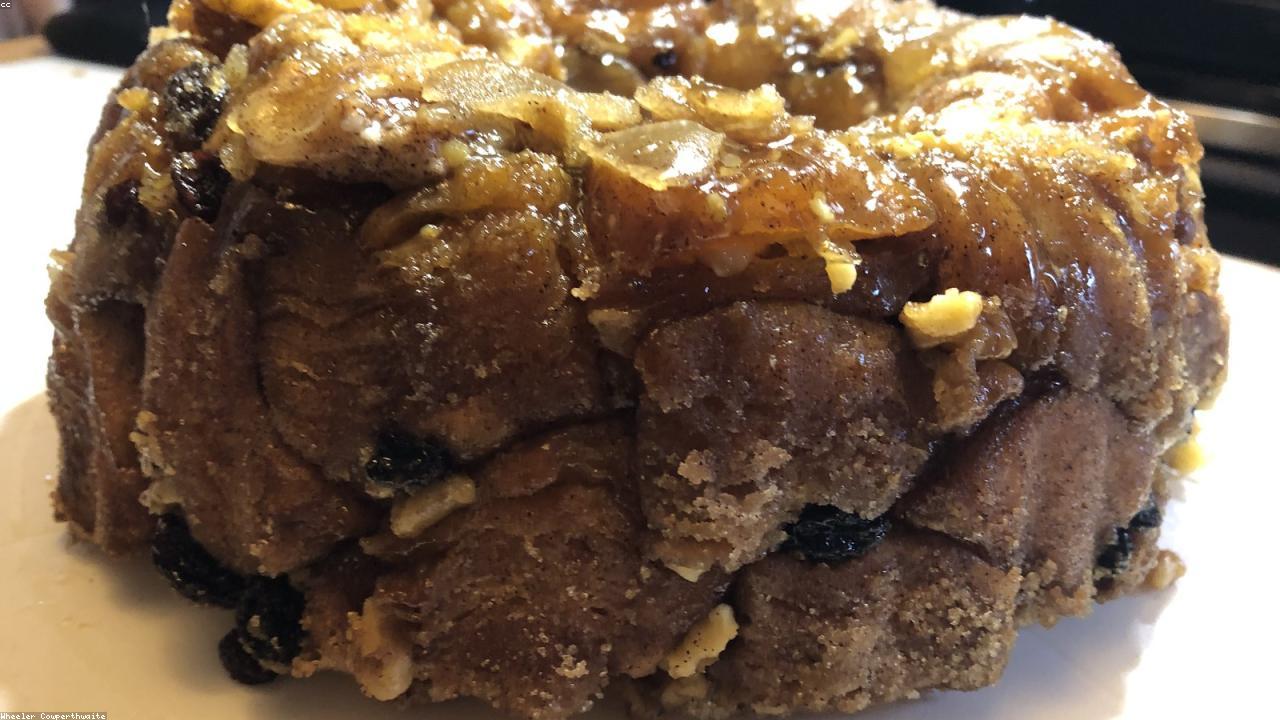
Mexican pan dulce — "sweet bread" — is one of the most varied and joyful pastry traditions in the world, and it lives in the panadería: the neighbourhood bakery where customers grab a metal tray and tongs and pile it high with whatever the day has brought. There are scores of named shapes, most invented in Mexico, and a daily ritual built around them.
It is a culture that fused indigenous and Spanish baking with a strong, surprising current of French and Viennese technique. From the seashell-patterned concha to the milk-soaked celebration cake, here is how Mexico bakes.
The panadería and the evening pan dulce ritual
The panadería sits at the centre of Mexican daily life, and the defining ritual is the evening visit. As the afternoon cools, families stop in to choose pan dulce for la merienda — the light supper of sweet bread with coffee, hot chocolate or café de olla taken before bed. The self-service tradition is part of the charm: you take a round tray and tongs and assemble your own selection from the racks.
This everyday, abundant culture explains the sheer variety on offer. Rather than a few perfected showpieces, the Mexican baker turns out dozens of inexpensive shapes daily, each with its own name, texture and topping — a counter designed for grazing, sharing and the comfortable rhythm of the evening table.
Conchas and the family of shapes
The undisputed icon of pan dulce is the concha ("shell"): a soft, lightly sweet enriched bun crowned with a crackly topping of sugar paste, scored into the grooved pattern of a seashell and tinted white, pink, yellow or chocolate-brown. It is the bread Mexicans grow up on.
But the concha is only the start of an enormous family of named shapes, most unique to Mexico:
- Orejas — "ears," crisp puff-pastry palmiers.
- Cuernos — "horns," a Mexican take on the crescent roll.
- Conchas, besos, ojos, corbatas, polvorones, banderillas — kisses, eyes, bow-ties, crumbly shortbreads and twisted pastries, the names as playful as the shapes.
- Bigote, novia, campechana — moustaches, "the bride," and a shattering flaky-sugar layered pastry.
Learning the names is half the fun of the panadería, and they vary delightfully from region to region.
A French and Viennese inheritance
Much of what makes pan dulce so refined traces to European influence in the 19th century. French bakers and the broader French cultural presence around the era of the short-lived Second Mexican Empire (the 1860s) helped popularise enriched doughs, puff pastry and Viennese-style bizcocho techniques.
Mexican bakers absorbed these methods and made them their own, multiplying them into the vast catalogue of shapes seen today. The orejas (palmiers), the cuernos (crescents) and the laminated campechana all betray this lineage — a French and Viennese grammar, spoken with an unmistakably Mexican accent.
Signature pastry: tres leches
When the occasion calls for a cake rather than a bun, one dessert dominates the Mexican celebration table — and it has its own deep dive.
- Tres leches cake — a light sponge drenched in a mixture of three milks (evaporated, condensed and whole or cream) until it is luxuriously wet but never soggy, then topped with whipped cream. It is the cake of birthdays, baptisms and quinceañeras across Mexico; read the full deep dive for the soaking technique that keeps it moist but intact.
Rosca de reyes and the festive calendar
Mexican baking is also bound to the festive calendar. The grandest example is the rosca de reyes, eaten on 6 January for Epiphany (Día de Reyes): an oval, wreath-shaped sweet bread decorated with strips of candied fruit and crackly sugar paste, with tiny figurines of the baby Jesus hidden inside. Whoever finds a figure in their slice is bound to host a tamales party on Candlemas in February — a tradition that keeps the celebration rolling.
Other dates have their bakes too: pan de muerto, the orange-blossom-scented, bone-decorated bread of the Day of the Dead in early November, and the conchas and cuernos that fill every ordinary morning in between. Sweet bread, in Mexico, is never far from a celebration.
Frequently asked questions
What is pan dulce?add
Pan dulce means "sweet bread" and refers to the huge family of Mexican sweet baked goods sold at the panadería — from the iconic concha to orejas, cuernos, polvorones and dozens more named shapes. Most are inexpensive, lightly sweet, and eaten daily with coffee or hot chocolate.
What is a concha?add
A concha is the most famous piece of Mexican pan dulce: a soft, enriched sweet bun topped with a crisp sugar-paste shell scored to look like a seashell (concha means "shell"). The topping comes in white, pink, yellow and chocolate, and the concha is a cornerstone of the evening pan dulce ritual.
Why does Mexican baking have French influence?add
In the 19th century, especially around the era of the Second Mexican Empire in the 1860s, French and broader European baking techniques — enriched doughs, puff pastry and Viennese methods — took hold in Mexico. Bakers adapted them into the local repertoire, which is why pan dulce includes palmiers (orejas), crescents (cuernos) and other clearly European-descended shapes.
What is rosca de reyes?add
Rosca de reyes is a wreath-shaped Mexican sweet bread eaten on 6 January for Epiphany, decorated with candied fruit and sugar paste. Small figurines of the baby Jesus are baked inside, and whoever finds one in their slice is traditionally expected to host a tamales gathering on Candlemas in February.