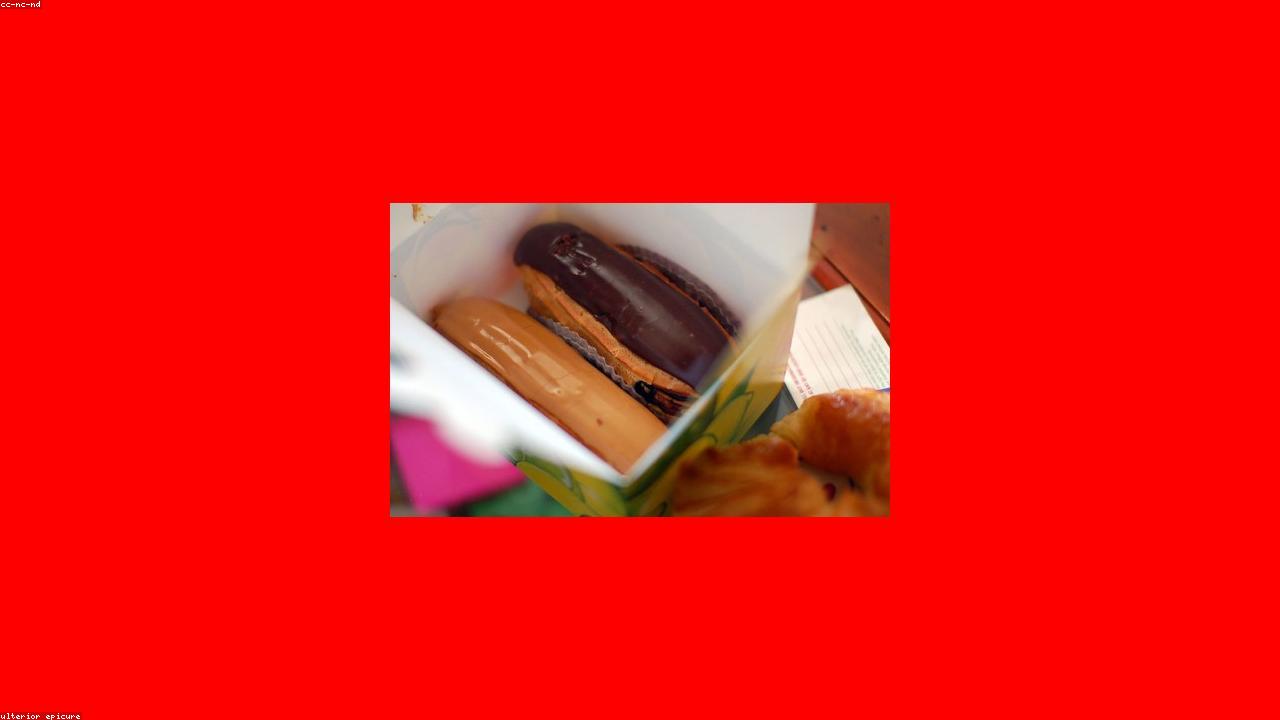
Choux pastry (pâte à choux) is the quiet workhorse of the French patisserie counter. From one simple paste of butter, water, flour and eggs comes an entire family of pastries — the éclair, the cream puff, the towering croquembouche. What unites them is a near-magical trick: the paste bakes into a crisp, hollow shell with a cavity inside just waiting to be filled.
The surprise is that choux is leavened by nothing but steam. There is no yeast, no baking powder, no folded butter. Master the paste and you have unlocked the most versatile cream filled pastry in the kitchen.
How choux works: a twice-cooked paste
Choux is unusual because it is cooked twice — once on the stove, once in the oven — and each stage does a specific job.
Stage one, on the stove. You bring water (or milk, or a mix) and butter to a boil, then beat in the flour all at once and keep stirring over the heat. This cooks the flour into a smooth, glossy paste called a panade. The heat gelatinises the starch in the flour — the starch granules swell and absorb water, building a paste that can later trap steam and hold its shape instead of flowing apart.
Stage two, beating in eggs. Off the heat, you beat in eggs a little at a time. The eggs add liquid (more steam later), proteins that set the structure firm in the oven, and just enough fluidity to make the paste pipeable. Getting this consistency right is the heart of choux.
Stage three, the oven. As the piped paste heats, all that water turns to steam and inflates the soft paste from within, blowing it up like a balloon. The egg and gelatinised starch then set the puffed walls firm, so the shell holds its shape and stays hollow once the steam escapes. No other leavening is involved — it is pure steam mechanics.
Getting the paste right
Almost everything about a good choux comes down to the consistency of the finished paste, set by how much egg you beat in. The classic test: lift your spoon and the paste should fall in a slow, smooth ribbon that holds a soft "V" shape before dropping.
- Too stiff (not enough egg) and the shells will be dense and small, with little room to puff.
- Too loose (too much egg) and the paste spreads on the tray and cannot hold a balloon, so it bakes flat.
Because egg sizes vary, recipes can only approximate the amount. Add the last of the egg gradually and stop the moment you reach that ribbon — the paste, not the recipe, is the boss.
The pastries choux makes
Pipe the same paste into different shapes and you get an entire repertoire of cream filled pastry:
- Éclairs — fingers of choux filled with pastry cream and topped with chocolate or coffee fondant.
- Profiteroles & cream puffs — small round buns filled with cream or ice cream; profiteroles are often stacked under warm chocolate sauce.
- Paris-Brest — a wheel of choux split and filled with praline cream, created to celebrate a bicycle race.
- Religieuse — a large choux bun topped with a small one, glazed to resemble a nun.
- Croquembouche — a celebratory tower of cream-filled buns bound with spun caramel.
- Chouquettes — plain little puffs scattered with pearl sugar, eaten unfilled.
Fillings and finishes
A choux shell is a vessel; the filling is where it becomes dessert. The classics are all cream based:
- Crème pâtissière (pastry cream) — the standard éclair filling: a thick, cooked custard of milk, eggs, sugar and starch. It is one of the core building blocks covered in our pastry fundamentals guide.
- Whipped & diplomat cream — lighter options; diplomat cream is pastry cream folded together with whipped cream for an airier bite.
- Chantilly — simply sweetened whipped cream, often used in cream puffs.
On top you might add a poured fondant glaze, a dip of chocolate, a dusting of icing sugar, or a crisp craquelin disc baked onto the shell for extra crunch.
A step-by-step overview
- Boil the liquid and butter. Bring water or milk and butter to a full boil so the butter is fully melted.
- Beat in the flour. Add all the flour at once and stir hard over the heat until it forms a smooth ball and leaves a light film on the pan — this dries the panade and gelatinises the starch.
- Cool slightly. Let the paste cool for a couple of minutes so it does not scramble the eggs.
- Add eggs gradually. Beat in egg a little at a time until the paste reaches that glossy, soft-ribbon consistency.
- Pipe and bake. Pipe the shapes you want and bake hot at first to drive the puff, then steady the heat to dry and set the shells.
- Dry, cool, fill. Let the shells dry out fully and cool before filling, so they stay crisp.
Troubleshooting and tips
Choux has a reputation for drama, but the failures are predictable:
- Shells collapse after baking. Usually under-baked. The walls are still damp inside, so they sag as they cool. Bake longer until deeply golden and firm, and resist opening the oven early.
- They never puff. Often too much egg (a runny paste that spreads) or an oven that is not hot enough to flash the water to steam. Aim for a paste that holds a soft ribbon and a properly preheated oven.
- Flat, dense buns. The paste was too stiff, or the panade was not cooked long enough to gelatinise the starch. Dry the paste a little more on the stove next time.
- Soggy interiors. Pierce or split the shells after baking to let trapped steam escape, and fill only shortly before serving.
One reassuring truth: unlike laminated dough, choux forgives warm hands and a quick pace. Get the paste consistency and the bake time right and the rest follows.
Frequently asked questions
What makes choux pastry puff up?add
Steam, and steam alone. There is no yeast or baking powder in choux. The paste is full of water from the liquid and the eggs; in a hot oven that water turns to steam and inflates the soft paste, while the egg and cooked starch set the puffed walls firm so the shell stays hollow.
Why is choux pastry cooked twice?add
The first cooking is on the stove, to make the panade: it gelatinises the starch in the flour so the paste can later trap steam and hold its shape. The second cooking is in the oven, where that trapped water puffs the paste and the eggs set it firm. Each stage does a different job.
How do I know when the choux paste is the right consistency?add
Add the eggs gradually and watch the paste. When you lift the spoon it should fall in a smooth ribbon and hold a soft "V" shape before dropping. Too stiff and it will not puff; too runny and it will spread and bake flat. Because egg sizes differ, judge by the paste rather than the exact quantity.
Why did my choux pastry collapse?add
The most common cause is under-baking. If the shells come out before the walls are fully dry and set, the steam inside escapes and they deflate as they cool. Bake until deeply golden and firm, keep the oven door shut, and let the shells dry out before filling.